Vatican City: The Sacristy – 3rd Floor

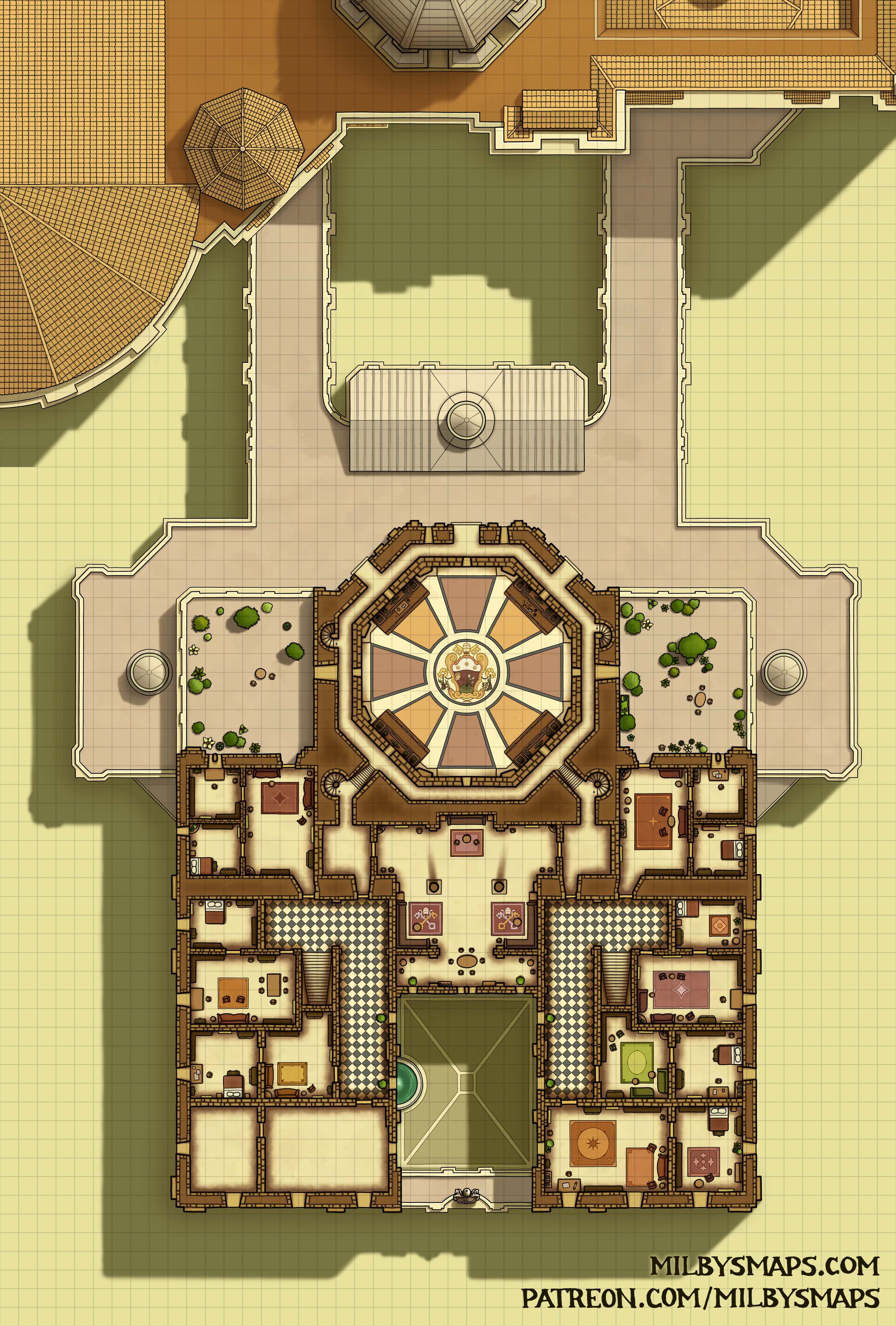
There’s remarkably little information out there on a lot of the non-public parts of the Vatican and that includes some of the sacristy. One of the few things I read about the uppermost floor is that there were apartments and a salon there and that’s how I depicted it. I also saw a photo of one of the terraces (where the gardens are in the map above) with a bicycle on it, so I suspect there might be people living there now. Either that, or people are really paranoid about bicycle theft in the Vatican. Actually, that’s not too hard to imagine. Rome is, like, 50 meters away from here, after all.

Anyway, that’s the sacristy done, so I’ll probably be drawing either the Sistine Chapel or the Apostolic Palace next. But first, I need to get caught up with the Cartographic Congress maps, so I’ll be drawing a few of those next. First up is a fortified lighthouse based on the Tower of Hercules in Spain. After that, I’ll be drawing a great, demonic tower driven into the ground like a giant nail, with only the top floor sticking out. That’s a high-concept kind of map, which I always like. Hopefully, I can come up with some suitably disturbing stuff to fill it with. Fingers crossed.

Well, I believe that’s it for now. If you’ve got any thoughts or questions about the sacristy or anything else, let me know!
Vatican City: The Sacristy – 1st Floor

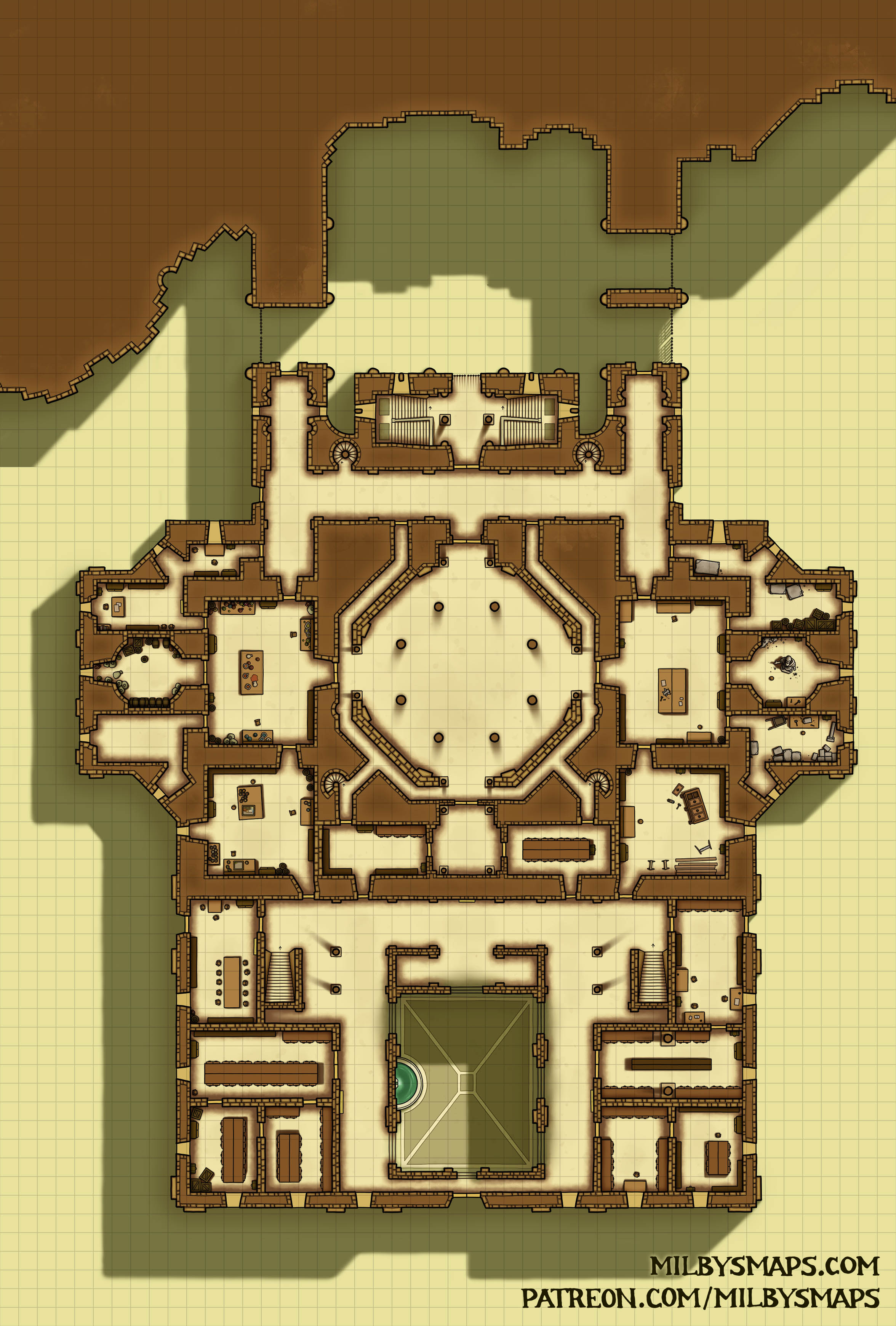
Here’s the first floor of the sacristy finished. It’s occupied by the Vatican Archives and the workshops of the Fabbrica di San Pietro, which is the organization responsible for the maintenance of St. Peter’s Basilica.

Okay, I’m gonna get back to work on the third and final floor. Be back with that before long!

By the way, If you want to see the rest of my Vatican City maps, you can find them all here.

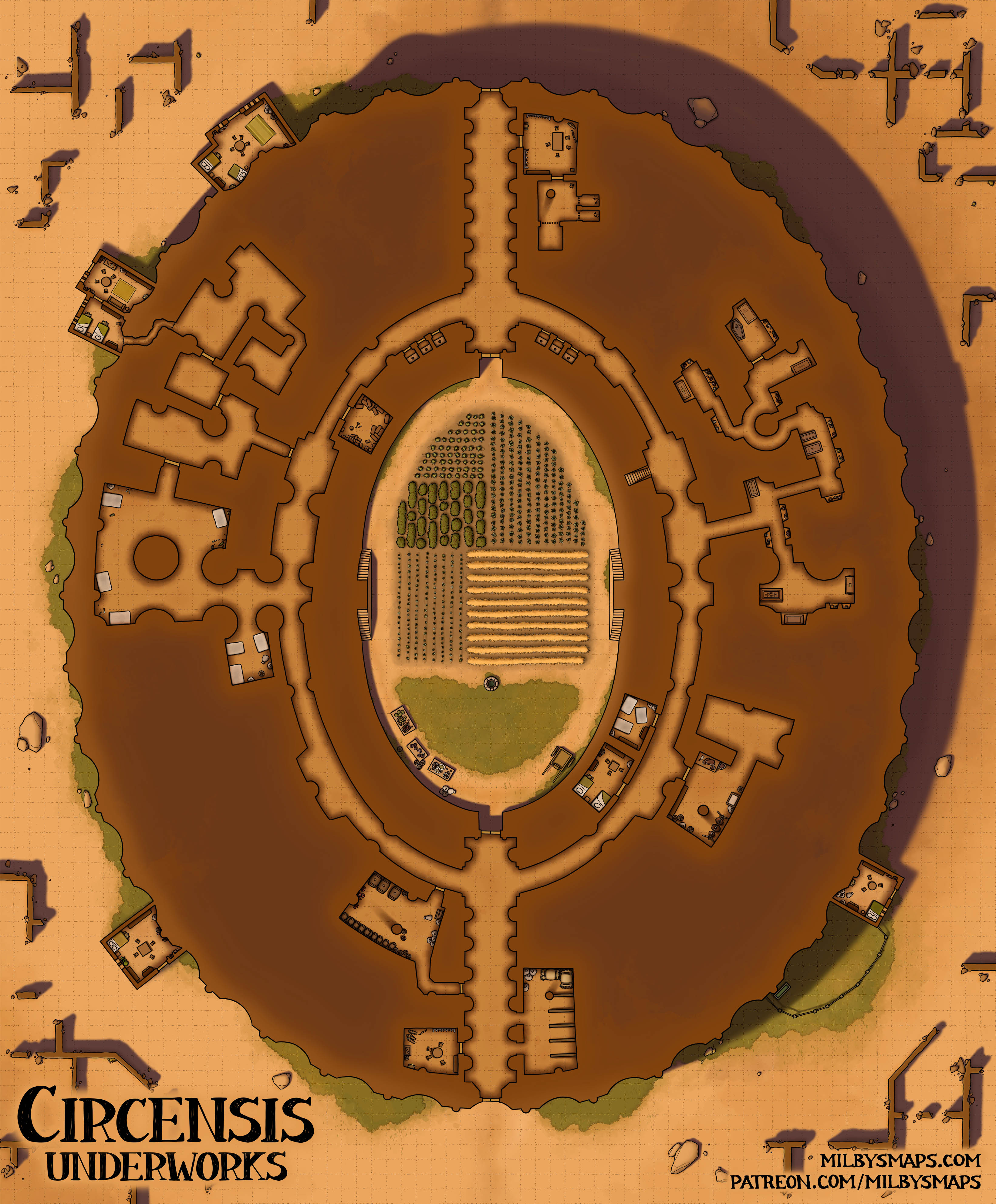
Circensis: The Underworks

Here in the lower level of Circensis, there are some crypts, guard posts, a stable and a few other things. There are also a few disused chambers where the town’s poorest residents sleep.

I added a small tunnel leading into the underworks from the house in the upper left, which I thought might create some interesting possibilities. Maybe the party has to sneak into or out of the town and meets a group of smugglers who know about the passage. Or maybe a group of raiders finds out about it and sneaks in under cover of night. You may not have a use for it, but it’s there if you do.

With Circensis finished, I’ll be getting back to the Vatican. I’ll be drawing the Sacristy next, which is just south of St. Peter’s Basilica. This is where the passages at the bottom of the basilica map lead. Sacred relics were (and are) kept here, as well as the treasury. It also contains the workshops of the Fabbrica di San Pietro, the group of maintainers and restorers responsible for the upkeep of the basilica.

All right, that’s about it for now. Hope you like how Circensis turned out!

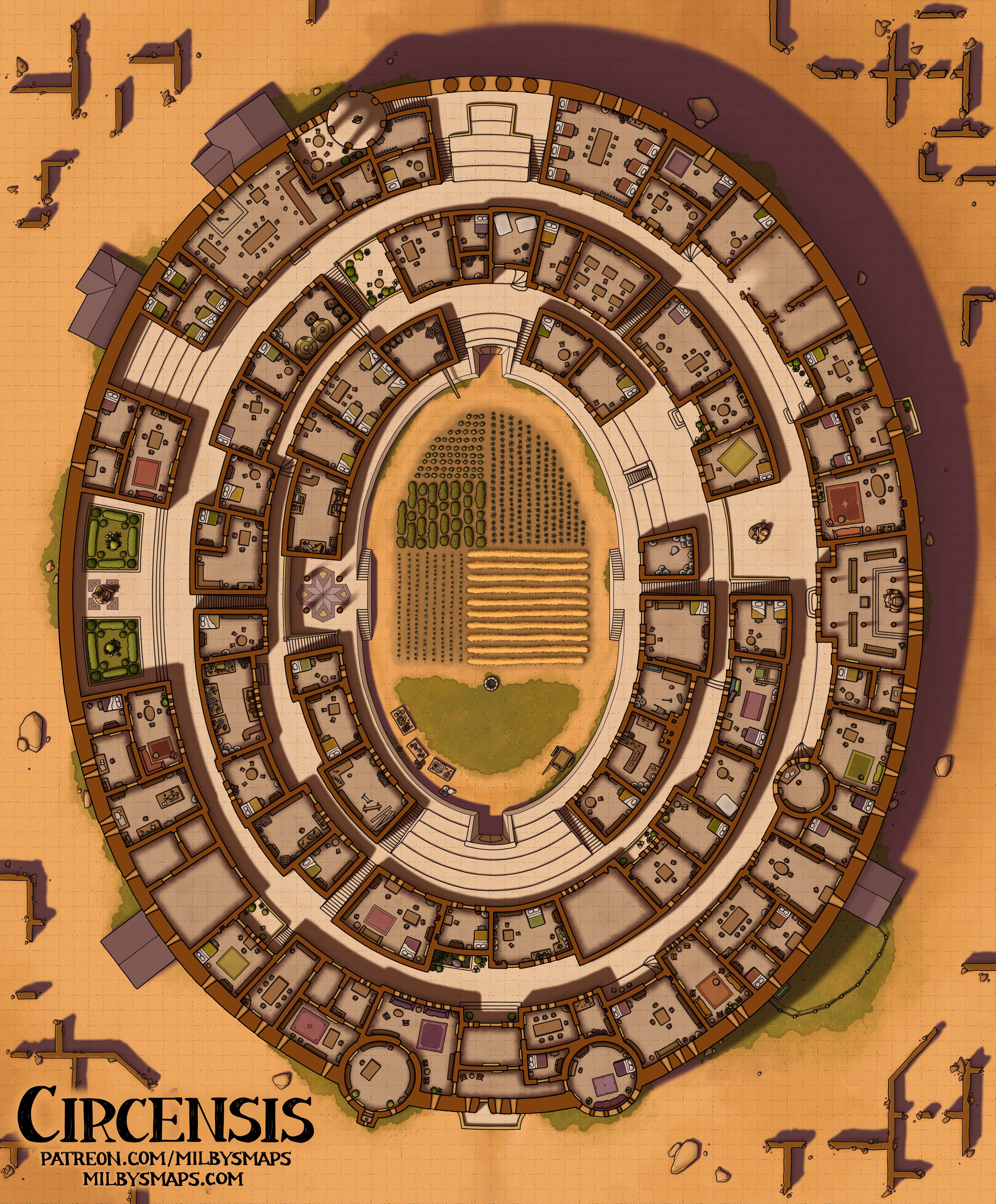
Circensis: A Town Built on the Ruins of an Ancient Amphitheater

Well, this place turned out a bit bigger than I expected, but I think it was worth the effort. I’ll be drawing a map of the underworks next, which won’t be nearly as elaborate as this level, but will have some interesting stuff going on. It’ll also give this place an entrance.

As you can see, some of the amphitheater’s tiered seating still exists, making it clear what this place used to be, although most of it has been leveled off and built over. The walls of the ancient city that this was once a part of are scattered around nearby and were probably picked apart to build the town.

As I said, I’ll be drawing the lower level of Circensis next (and I’ll have DM notes for patrons with that). Then, it’s back to the Vatican. Anyway, this town-built-on-an-amphitheater seemed like a popular idea, so I wanted to ask how you think I did with it. Let me know what you think!

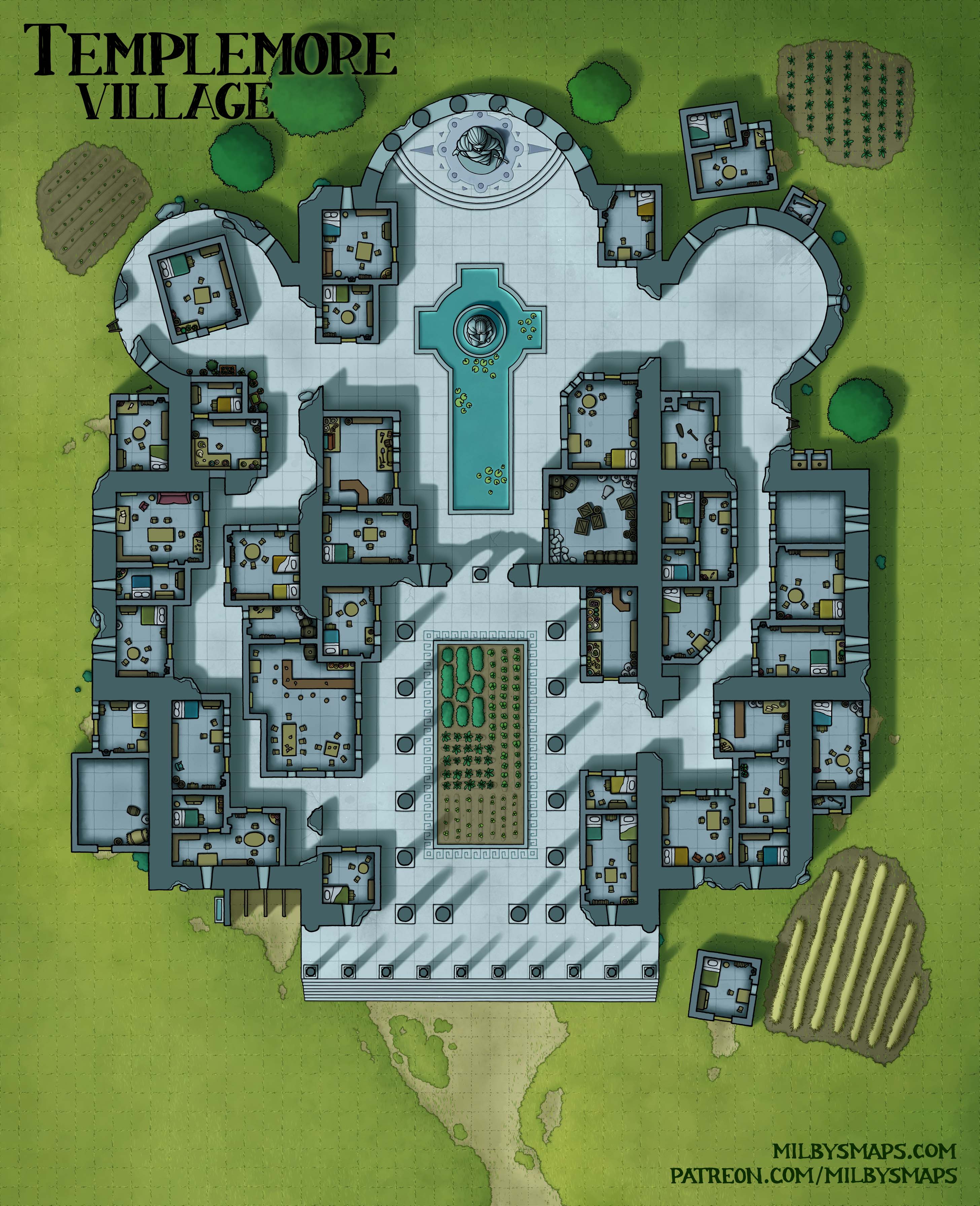
Templemore Village

Here’s the finished village of Templemore, built on the ruins of a great, ancient temple. My story about the place is that the temple was dedicated to a long-forgotten goddess of luck. While the residents don’t worship her (or even know who she is), she bestows her blessing of good fortune upon them nonetheless. So if the players show up at the tavern and start gambling with the old fellas at the corner table, things are likely to go very poorly for them.

There are variations of that story that could be fun, too. If you change the goddess and the blessing, there are a lot of potentially interesting scenarios that could become the seed for an adventure. Like, what if it’s the goddess of time and she stops the residents from aging. Or what if it’s the goddess of death and everyone rises from the dead after they die. Or what if the goddess is angry that they’re here and curses them instead. There are a lot of ways you could go with it if you want to get creative.

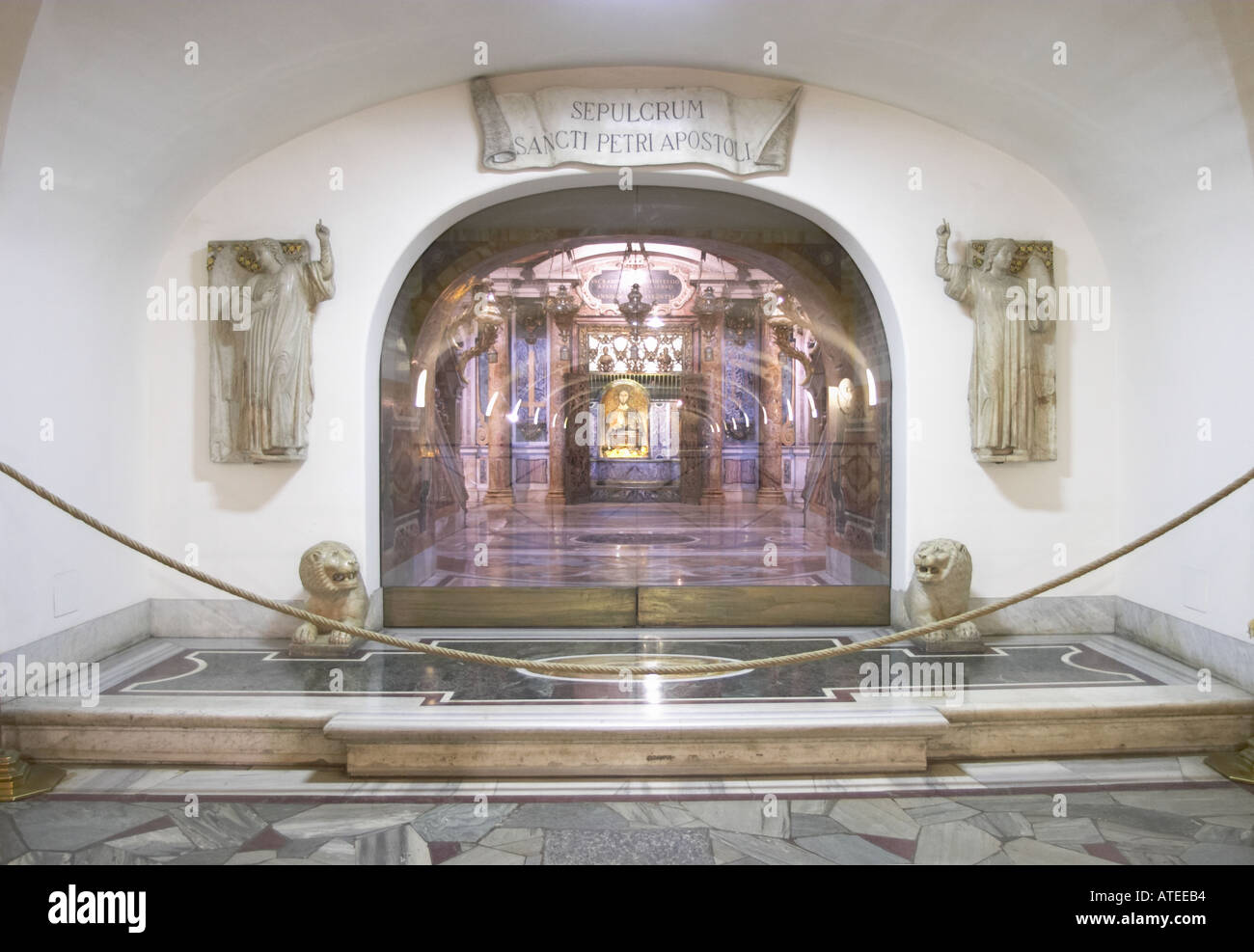
Next up, I’ll be drawing the Vatican Grottoes underneath St. Peter’s Basilica. These are a series of tunnels, chapels and tombs, including the tomb of St. Peter himself. This won’t take nearly as long as the main floor of the Basilica itself, but, as you can see in this picture, they went pretty hard on both the floors and the statuary, so it’ll take a bit longer than it would have if the Vatican had hired a cheaper contractor. Also, I want to add that I love statues of animals by sculptors who’ve never seen that animal in real life and the lions in that picture are a great example.

Anyway, I think that’s about it. I hope you like the map. Let me know what you think!

St. Peter’s Basilica: Roof Level

Here’s another part of St. Peter’s Basilica finished. We’ve still got the grottoes and the Roman necropolis left to draw. And, of course, the rest of Vatican City. For reasons I explained here, I’ll be drawing in the backgrounds and surrounding buildings later. In the meantime, I hope the lack of surroundings doesn’t impede anyone’s ability to run adventures in the land of Catholicism.

By the way, I’m not planning to draw the roof levels of every building in the Vatican. I decided to draw this one because:

  1. There are numerous stairs to the roof.
  2. It’s a cool roof.
  3. The basilica is kind of the centerpiece of the Vatican.

But, like, I don’t think we need a map for the roof of the Pontifical Academy of Sciences. If there’s another roof that’s worth drawing, I’ll draw it, but I’ll probably skip it for most places.

Next, I’ll be drawing last month’s Cartographic Congress winner, which is a medieval village built in the ruins of an ancient megastructure. I haven’t decided on the megastructure that the village is built on just yet, but it could be an ancient temple, a huge amphitheater or something like that. If you’ve got any ideas, let me know.

Anyway, that’s it for now. Let me know what you think!

The Town of Chalymn

Chalymn is a small chunk of a city on the world’s surface that rose up into the sky to avoid a coming disaster. The large citadel in the center belongs to Magister Viskand, the powerful mage who ripped Chalymn loose from the earth. It’s not entirely clear if the magister saved everyone else on the rock intentionally, or if he just wanted to bring a little more land with him, but, look, they’re alive and that’s what matters.

If Chalymn demonstrates one thing, it’s that a little, floating rock in the sky can have anything that they have on the surface. The surface has lakes? Chalymn has a lake. The surface has a complex network of tunnels and cities deep underground? Well, Chalymn has one of those, too. It could be a very interesting place to visit if your party happens to get a ride on an airship at some point. Or a spelljammer.

Speaking of which, I’m going to make a spelljammer version of the map with a space background for patrons, which I should have done by tomorrow.

Well, this is the second, or maybe third city map I’ve drawn that I don’t think is garbage, but I’m curious to hear what you think. How’d I do? If you’ve got any thoughts or suggestions, let me know!

Floating City (Work-in-Progress)

Here are the drawings for the floating island city. As you can see from the sideview, there’s an underground level as well, which will be in the finished map. It’ll be like a tiny, flying underdark. A sort of “overdark,” if you will.

Anyway, I’m gonna start coloring this thing. Let me know what you think so far!

Mesa Roja

This map is largely based on the Cliff Palace at Mesa Verde, but I made enough changes that I didn’t want to call it Mesa Verde, since that sort of presents it as being an accurate representation. So instead of Green Mesa, I went with Red Mesa.

This place was built around 1200 AD and was only lived in for 100 years before it was abandoned. No one is sure why the people left, but the thing I’m curious about is why no one else moved in. I mean, if me and my friends lived in tents and we stumbled across a bunch of unoccupied stone houses, I’d definitely be moving in. It is a FREE TOWN. Who says no to that? Of course, I’m sure they had their reasons. Maybe the river dried up. Maybe the vibes were off. Or maybe the area had spotty internet. We’ll probably never know.

I need to catch up on drawing Cartographic Congress maps, so next I’ll be drawing a fortified abbey that’s the base of a Templar-style military order. It’ll be any paladin’s dream home, featuring a chapel, statues of stern-looking dudes holding swords, and private rooms for self-flagellation. It’s the perfect place to read the holy scriptures, practice your swordsmanship and feel an overwhelming sense of guilt for that impure thought you had four years ago.

All right, that’s about it. Let me know what you think!


Vatican City – St. Peter’s Square

So the first part of the Vatican City megaproject is done. Well, kind of. One of the tricky things about drawing the Vatican is that there are parts of it I haven’t drawn yet in the background. In the top left is the Apostolic Palace and, at the bottom left, there’s a church called Santa Maria della Pieta. That stuff on the right is Italy. So I’ll have to remake this map with all the other stuff included once it’s done.

Also, St. Peter’s Square is huge. Like, this is actually one of the biggest maps I’ve ever made. That’s 199×160 tiles right there. You can fit multiple football fields inside it (either kind). The pope has a pretty big front yard.

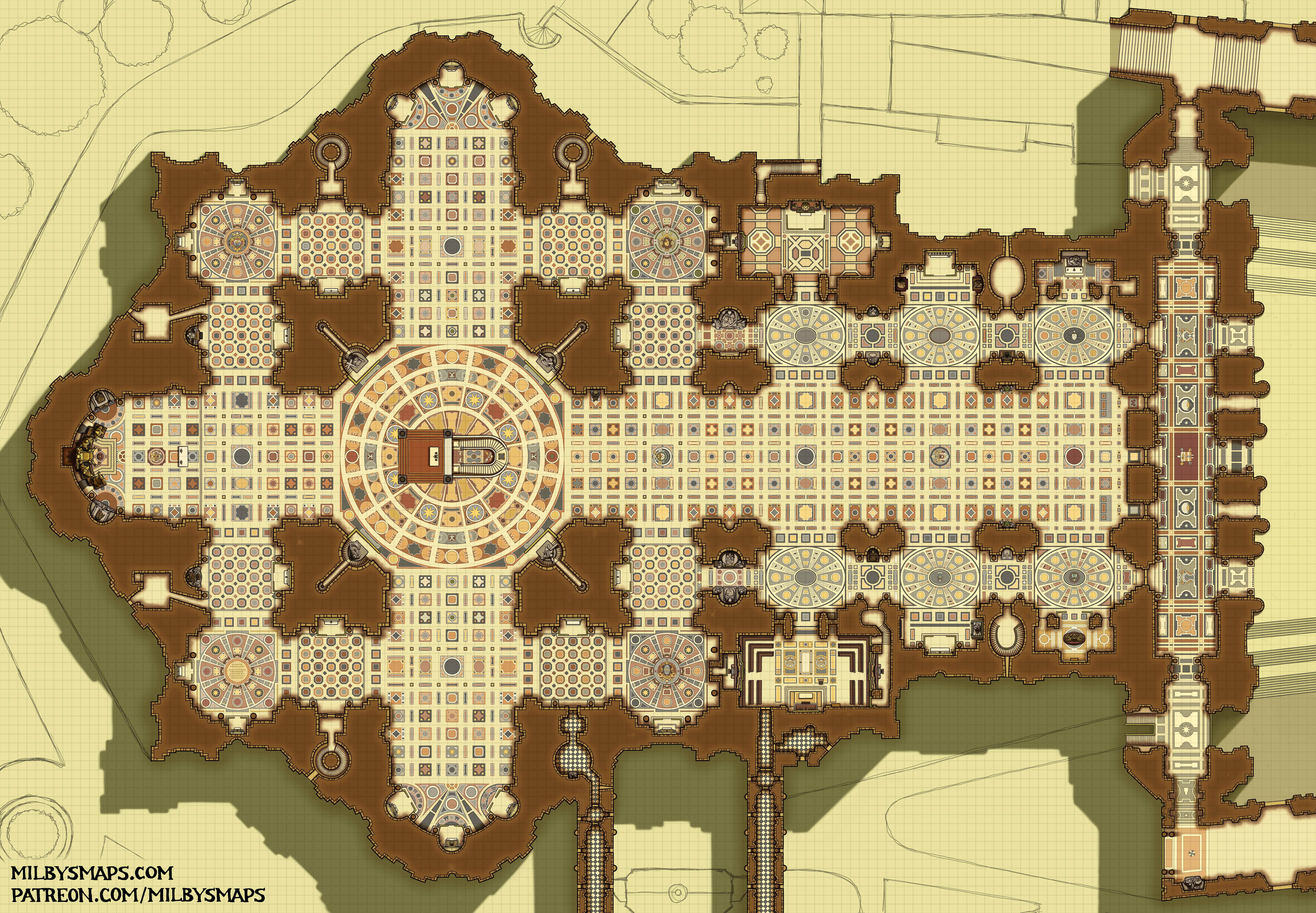
The next part of the Vatican I’m going to draw will probably be St. Peter’s Basilica, the entrance to which is on the left. And I’m not gonna lie, I’m a little apprehensive about that. Because, you see, the floor of the basilica looks like this. Am I going to draw all that? Yes. Is it going to look really cool? Probably. Am I looking forward to it? No, I really am not. I’ll be honest with you: I’m a little scared. But it’s gotta be done and I’m going to do it regardless.

But first, I’ll be drawing last month’s Cartographic Congress winner: a dwarven fort built around a waterfall. There’ll be a lock for boats, a waterwheel or two, stuff like that. And after that, we’re back to the Vatican. Sound good? I hope so.

Anyway, if you’ve got any thoughts or questions, let me know!